Ad Blocker Detected
Our website is made possible by displaying online advertisements to our visitors. Please consider supporting us by disabling your ad blocker.
Imagine losing power during a winter storm, leaving your home dark and cold for hours. We understand that being prepared can make all the difference, but many overlook key steps that safeguard their families and property. Effective planning requires evaluating risk, stocking supplies, and establishing protocols well in advance. Staying ahead of potential outages isn’t just about convenience—it’s about ensuring safety and resilience when it matters most. Here’s how to get started.
Key Takeaways
- Assess your location’s outage history and identify essential needs like medical devices and communication tools.
- Stock emergency supplies such as non-perishable food, water, batteries, and alternative energy sources.
- Install backup power solutions like solar panels and protect critical devices with surge protectors.
- Develop a communication plan with backup methods and designate emergency contacts.
- Prepare your home with safety protocols and keep supplies accessible to stay comfortable and safe.
How to Assess Your Power Outage Risks and Needs
Understanding your power outage risks is essential for effective preparation. A thorough risk assessment helps identify vulnerabilities and guides your emergency planning. Start by evaluating your location’s history of outages, climate patterns, and the reliability of your power provider. Consider essential needs like medical devices, refrigeration, and communication devices, which influence your preparedness level. Determine how long outages typically last in your area and the potential impact on your daily life. By analyzing these factors, you can develop targeted strategies to mitigate risks. This proactive approach guarantees your emergency planning covers critical scenarios, reducing uncertainty during outages. Ultimately, a clear understanding of your specific risks empowers you to prepare efficiently and respond confidently when power disruptions occur.
Essential Supplies and Emergency Kits for Power Outages
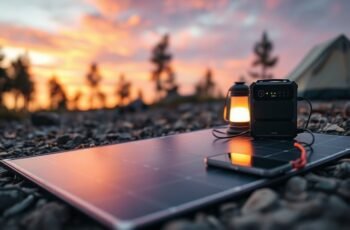
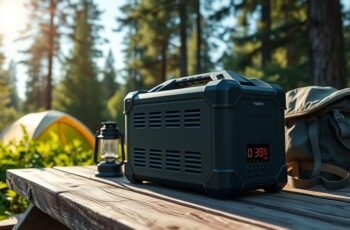
Preparing for power outages requires more than just recognizing potential risks; it involves assembling the right supplies to maintain safety and functionality. Essential supplies include non-perishable food, water, first aid kits, and batteries. Incorporating alternative energy sources, like solar-powered chargers, guarantees continued communication. Portable generators are crucial for powering critical devices, but safety precautions are necessary to prevent carbon monoxide poisoning. Ensure fuel supplies are stocked and stored safely. Emergency kits should also include flashlights, warm clothing, and hygiene supplies. Planning for power outages means being strategic—prioritize reliable backup options and organize supplies in an accessible manner. By doing this, we strengthen our resilience and minimize disruption during unexpected blackouts.
Preparing Your Home and Technology for Unexpected Blackouts
When a blackout strikes unexpectedly, guaranteeing your home and technology are prepared can make all the difference in maintaining safety and communication. Installing renewable energy sources, like solar panels, provides a reliable backup and reduces dependence on the grid. Consider blackout insurance policies to cover losses and mitigate costs during outages. Protect critical devices with surge protectors and invest in battery backups for essentials like communication devices and medical equipment. Regularly maintain and test these systems to ensure functionality when needed. Limiting reliance on grid power and integrating renewable energy solutions enhance resilience. Staying proactive by securing blackout insurance and investing in sustainable energy options ensures your home remains functional and safe, even amid unexpected blackouts.
Creating a Communication and Safety Plan for Power Failures
Power failures can happen suddenly and without warning, making it crucial for us to have a clear communication and safety plan in place. We must establish reliable emergency communication methods, such as backup cell phones, battery-powered radios, and designated contacts. Safety protocols are critical; everyone should know how to turn off utilities to prevent hazards and how to navigate safely in darkness. Create a communication plan that includes check-in procedures for family members and neighbors, especially vulnerable individuals. Keep emergency contacts easily accessible and ensure all members understand the plan. Preparedness ensures quick, coordinated responses, minimizes risks, and maintains safety during outages. A strategic approach to emergency communication and safety protocols is essential for protecting everyone when power fails unexpectedly.
Tips for Staying Calm and Comfortably Through a Power Outage
During a power outage, staying calm is essential to managing the situation effectively. We recommend using emergency lighting, such as battery-powered lanterns or flashlights, to maintain visibility without panic. Keep a set of these lights accessible and test them regularly. To stay comfortable, switch to alternative cooking methods like gas stoves or outdoor grills, avoiding the need for electrical appliances. Maintaining a calm environment helps prevent stress and confusion, so encourage everyone to stay seated in a safe, designated area. Keep essential supplies, like water and blankets, close at hand. Remember, staying composed allows you to think clearly and act strategically, minimizing disruption and ensuring everyone’s safety during the outage.
Frequently Asked Questions
How Long Can a Typical Household Power Outage Last?
A typical household power outage lasts from a few hours to several days, depending on the cause. We recommend investing in outage insurance and exploring renewable energy options to guarantee resilience and minimize disruptions during extended outages.
What Are the Signs of an Impending Power Outage?
We notice flickering lights, unusual noises from backup generators, or appliance malfunctions as signs of an impending outage. We keep emergency kits and backup generators ready, ensuring swift action to maintain safety and power continuity.
How Do I Protect Sensitive Electronics During Outages?
We protect sensitive electronics during outages with surge protectors and battery backups, ensuring they’re shielded from power surges and outages. Using these devices strategically minimizes damage and keeps essential electronics running smoothly during disruptions.
Are There Community Resources Available During Blackouts?
During blackouts, we rely on community shelters and local alert systems, which alert us promptly and provide essential resources. Stay prepared by knowing these options; they’re your lifeline when darkness falls unexpectedly.
How Can I Reduce Energy Use to Prevent Outages?
We reduce energy use by upgrading to energy-efficient appliances and installing smart home systems, which optimize energy consumption. This proactive approach minimizes overload risks, helps prevent outages, and boosts overall efficiency in our energy management strategies.
Conclusion
By understanding our risks and staying prepared, we’re not just ready—we’re resilient. Think of our readiness as a fortress, built brick by brick with supplies, plans, and calm resolve. When power fails, our confidence becomes the current that keeps us steady. Stay vigilant, keep your emergency plans sharp, and remember: preparedness isn’t just a shield—it’s the key to turning potential chaos into controlled calm. Together, we can weather any outage with strength and foresight.