Ad Blocker Detected
Our website is made possible by displaying online advertisements to our visitors. Please consider supporting us by disabling your ad blocker.
Many assume portable power stations last a decade, but the reality is more nuanced. Their lifespan hinges on factors like battery chemistry, usage frequency, and maintenance practices. While some units may approach this timeframe, others falter sooner due to improper care or environmental conditions. Understanding these variables is vital for making informed decisions about their longevity. To truly gauge what to expect, we need to examine the core elements influencing their durability and how to optimize their lifespan.
Key Takeaways
- Typically last between 5 to 10 years with proper maintenance and optimal usage.
- Battery cycle life ranges from 500 to 1,000 charge cycles before noticeable capacity decline.
- Environmental factors like temperature and humidity significantly impact lifespan.
- Larger capacity units may have shorter cycle lives due to increased battery stress.
- Regular calibration and correct storage extend the overall durability of portable power stations.
What Is the Typical Lifespan of a Portable Power Station?
Understanding the typical lifespan of a portable power station is essential for evaluating its long-term value and reliability. The lifespan primarily depends on advancements in battery technology and the device’s power capacity. Modern lithium-ion batteries, common in these stations, typically endure around 500 to 1,000 charge cycles before significant capacity degradation occurs. Higher power capacity units often contain larger batteries, which can influence cycle life—sometimes reducing longevity due to increased stress. Additionally, the quality of battery chemistry and manufacturing standards affect overall durability. While some units may last five to ten years with proper maintenance, diminishing capacity over time impacts runtime and efficiency. Consequently, assessing both battery technology and power capacity is vital for predicting a portable power station’s operational lifespan.
Factors That Influence How Long Portable Power Stations Last
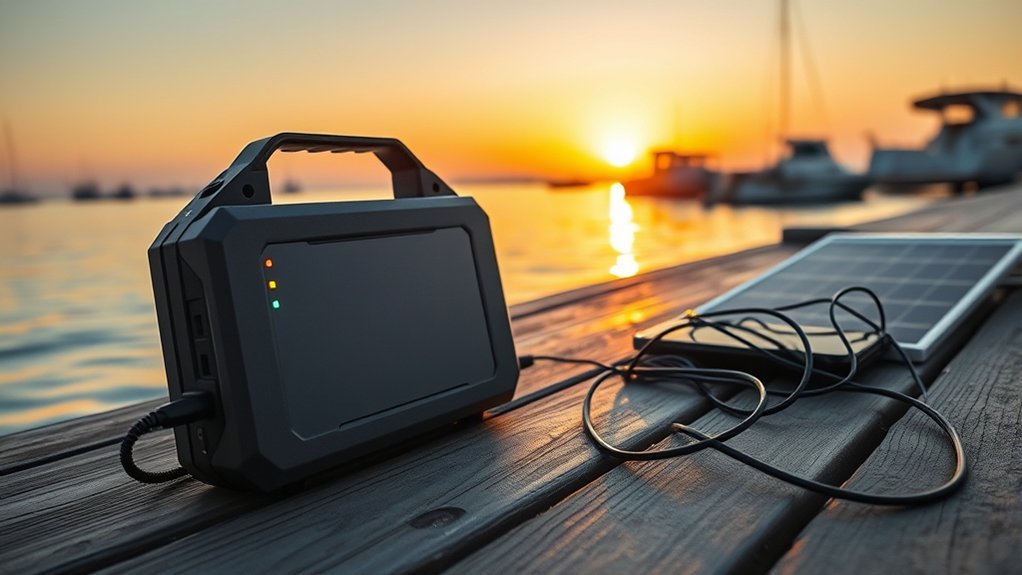
Several factors directly impact the longevity of portable power stations, beyond the inherent limitations of their batteries. Significantly, energy efficiency plays an essential role; higher efficiency minimizes waste heat and reduces stress on internal components, extending operational life. Similarly, consistent power output stability prevents fluctuations that can accelerate component wear. Devices with optimized power management systems maintain steady output, reducing thermal and electrical stress on the battery and circuitry. Additionally, frequent deep cycling or operating near maximum capacity diminishes battery health over time, shortening lifespan. Proper regulation of energy efficiency and power output, combined with careful management of load demands, is vital for maximizing a portable power station’s longevity, ensuring it remains reliable over many charge cycles and operational hours.
How to Maximize the Durability of Your Portable Power Station
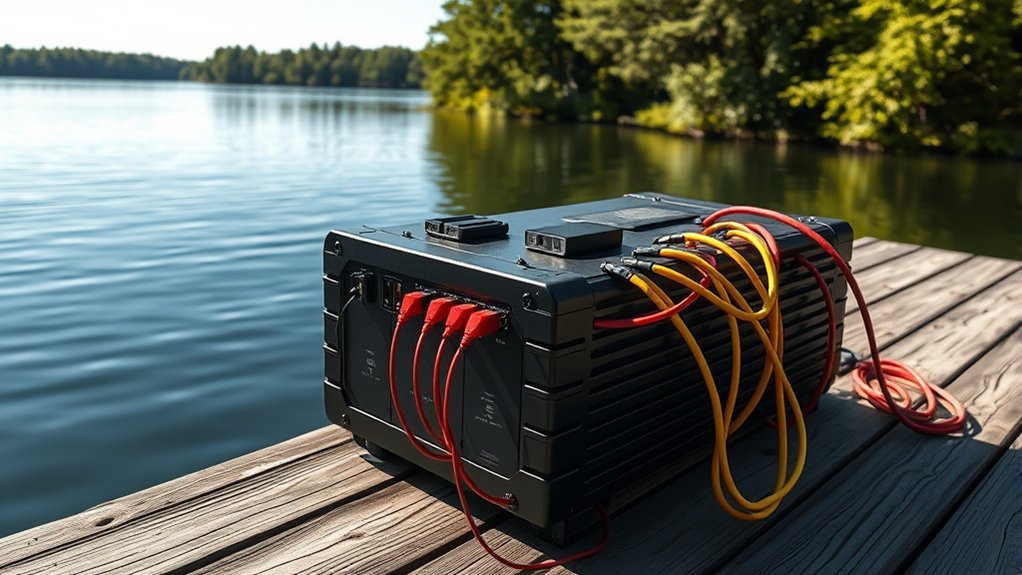
To maximize the durability of your portable power station, it’s essential to implement proper usage and maintenance practices that minimize stress on internal components. Using eco-friendly materials in construction can reduce environmental impact and enhance longevity. Additionally, selecting models with innovative designs improves thermal management, preventing overheating during operation.
- Regularly calibrate the battery to maintain accurate capacity readings.
- Store your station in a cool, dry environment to prevent moisture-related damage.
- Avoid overcharging or discharging beyond recommended levels to preserve battery health.
- Use high-quality, compatible charging accessories to prevent electrical stress.
Signs Your Portable Power Station Might Be Nearing the End of Its Life
As portable power stations age, their performance decline becomes increasingly apparent through specific signs indicating they’re nearing the end of their operational lifespan. One key indicator is reduced solar compatibility; if the station no longer effectively charges via solar panels, it suggests degraded internal components or circuitry. Additionally, increased weight considerations may signal component deterioration or internal corrosion, which can compromise structural integrity. Declining battery capacity manifests as shorter run times and inconsistent power delivery, further affecting overall reliability. If the device requires more frequent maintenance or shows signs of overheating and difficulty in maintaining stable output, these are clear signs of aging. Recognizing these performance indicators helps determine when replacement or professional servicing is necessary to assure continued safe and efficient operation.
Average Battery Cycle Life and Its Role in Longevity
The lifespan of a portable power station’s battery largely hinges on its average cycle life—the number of full charge and discharge cycles the battery can sustain before its capacity diminishes considerably. This cycle count directly impacts battery degradation over time, influencing overall longevity. Effective power management can mitigate rapid capacity loss by optimizing charge cycles. Consider these factors:
- Cycle Count Limits: Higher cycle counts typically extend lifespan but depend on battery chemistry.
- Depth of Discharge (DoD): Shallow discharges reduce stress, prolonging cycle life.
- Temperature Control: Operating within ideal temperatures minimizes battery wear.
- Charging Practices: Avoiding overcharging or undercharging preserves battery health.
Comparing Different Brands and Models for Longevity Expectations
When comparing brands and models, we focus on battery cycle life and build quality durability as key indicators of longevity. Variations in cell chemistry, manufacturing standards, and design influence these factors considerably. Analyzing these elements allows us to predict which units will maintain performance over extended use.
Battery Cycle Life
Understanding the battery cycle life of portable power stations requires a detailed comparison of various brands and models, as these factors directly influence overall longevity. Different battery chemistries, such as lithium-ion versus lithium-polymer, considerably impact cycle life, with lithium-ion typically offering more cycles. Power capacity also plays a role; larger capacities often reduce cycle counts due to increased strain. When evaluating models, consider:
- Cycle count ratings provided by manufacturers
- The type of battery chemistry used
- How power capacity affects cycle longevity
- The impact of charge/discharge protocols on battery health
These elements collectively determine how many full cycles a power station can deliver before capacity diminishes substantially, guiding expectations on long-term performance.
Build Quality Durability
Evaluating build quality durability across different brands and models reveals significant variations that directly influence longevity expectations. High-quality materials, such as reinforced plastics and robust metal casings, enhance overall durability, especially when considering frequent transport or outdoor use. Solar compatibility plays a vital role; models designed with reinforced ports and weather-resistant casings withstand environmental stressors better. Additionally, weight considerations impact long-term usability—lighter models often compromise structural integrity, reducing lifespan, whereas heavier units tend to incorporate sturdier components. Variations in internal circuit protection and manufacturing standards further affect durability, with premium brands typically offering superior build quality for extended longevity. Ultimately, evaluating these factors helps determine which portable power stations can endure rigorous use while maintaining ideal performance over time.
Tips for Proper Maintenance to Extend Your Portable Power Station’s Life
Maintaining ideal battery health requires disciplined charging routines and strategic storage methods. We should prevent over-discharging to avoid capacity loss and guarantee the station remains ready for use. Implementing these practices can considerably enhance the device’s overall lifespan and reliability.
Regular Charging Practices
Proper charging practices are essential to maximizing the lifespan of your portable power station, as frequent and improper charging can lead to accelerated battery degradation. To optimize battery health, consider these key points:
- Maintain a consistent charging frequency, avoiding deep discharges that strain the battery.
- Use a reliable power source with stable voltage to prevent voltage fluctuations that can damage cells.
- Avoid overcharging by disconnecting once the station reaches full capacity, reducing stress on the battery.
- Limit rapid charging sessions unless necessary, as high-rate charging can generate heat and degrade battery components.
Proper Storage Techniques
To maximize the lifespan of your portable power station, employing effective storage techniques is essential, especially during periods of infrequent use. Maintaining ideal storage humidity prevents corrosion and battery degradation, ideally between 40-60%. Excessive moisture accelerates internal corrosion, compromising components, while low humidity reduces the risk of mold. Temperature control is equally critical; storing the station in a cool, stable environment—around 15-25°C—limits thermal stress that can degrade battery chemistry. Avoid extreme heat or cold, which accelerates capacity fade. Proper ventilation prevents heat buildup, and consistent conditions mitigate stress on internal components. Regularly inspecting storage conditions ensures humidity and temperature remain within recommended ranges. These measures collectively enhance the internal environment, substantially extending your portable power station’s functional lifespan.
Avoid Over-Discharging
Avoiding over-discharging your portable power station is essential for preserving battery health and ensuring longevity. Over-discharge can lead to capacity loss and reduced energy efficiency. To prevent this, consider these steps:
- Regularly perform battery calibration by fully charging and discharging the unit periodically, maintaining accurate capacity readings.
- Monitor usage to avoid depleting the battery below 20%, which can damage cells and diminish lifespan.
- Use the power station within recommended discharge cycles to maximize overall battery health.
- Store the device with a partial charge when not in use for extended periods, preventing deep discharges that harm battery chemistry.
Implementing these practices helps maintain ideal energy efficiency and extends the lifespan of your portable power station.
When Should You Replace Your Portable Power Station?
Knowing when to replace a portable power station hinges on evaluating its performance decline and safety considerations. Diminished capacity, inconsistent charging, or failure to support solar panel integration indicate reduced efficiency. Additionally, wear from environmentally friendly materials and aging components may compromise safety. Regular performance tests help identify these signs early. When the power station no longer reliably supplies power or if internal components show significant degradation, replacement becomes necessary. This guarantees peak operation, safety, and compatibility with renewable energy sources.
| Indicator | Action |
|---|---|
| Capacity loss > 20% | Replace due to decreased efficiency |
| Safety concerns from damage | Replace immediately |
| Inability to support solar input | Consider replacement for compatibility |
| Outdated environmentally friendly materials | Upgrade for sustainability |
Frequently Asked Questions
Can Portable Power Stations Be Repaired After Their Lifespan Ends?
We believe portable power stations can sometimes be repaired after their lifespan, especially if battery degradation is minimal and warranty coverage applies, but extensive repairs may not be cost-effective or feasible, depending on the device’s condition and model.
How Does Storage Temperature Affect a Portable Power Station’s Lifespan?
We find that improper storage temperature accelerates battery degradation, shortening lifespan. Effective temperature management minimizes thermal stress, preserving battery health and ensuring the portable power station maintains ideal performance over its intended lifespan.
Are There Specific Brands Known for Longer-Lasting Portable Power Stations?
We find that brands like Goal Zero, Jackery, and EcoFlow excel due to advanced battery technology and high charging cycle durability. These factors contribute to longer-lasting portable power stations, making them reliable choices for sustained performance over time.
What Are the Environmental Impacts of Disposing of Old Portable Power Stations?
Disposing of old portable power stations impacts the environment through potential release of toxic materials; recycling programs mitigate this by safely processing batteries and components, reducing ecological harm and promoting sustainable waste management practices.
Do Newer Models Always Have a Longer Lifespan Than Older Ones?
Newer models often have improved manufacturing quality and advanced battery technology, but battery degradation still impacts lifespan. So, while they may generally last longer, this isn’t guaranteed; quality and usage conditions heavily influence longevity.
Conclusion
Just like a seasoned traveler steering through changing terrains, our portable power stations require careful upkeep and awareness of their limits. By understanding their cycle life and maintaining proper care, we guarantee they serve as reliable companions on our journeys. When signs of wear appear, it’s time to prepare for the next chapter. With strategic management, we extend their voyage, transforming a simple device into a steadfast partner, ready to power our adventures for years to come.