Ad Blocker Detected
Our website is made possible by displaying online advertisements to our visitors. Please consider supporting us by disabling your ad blocker.
When selecting a portable power station for camping, we recognize that the decision hinges on balancing portability with power capacity. Lightweight models excel in mobility and quick setup, making them suitable for short or minimal-device trips. Heavy-duty options, however, offer extended run times and durability for longer stays and multiple devices. Understanding these trade-offs is essential, but the right choice ultimately depends on your specific camping needs, which warrants a closer look at their distinct features and performance.
Key Takeaways
- Lightweight stations are portable and ideal for quick setups, while heavy units offer higher capacity for extended camping trips.
- Heavy-duty power stations typically have larger batteries and multiple charging options, suitable for powering more devices over longer periods.
- Lighter models prioritize ease of transport and quick deployment, often featuring advanced battery technology for efficiency.
- Heavier stations tend to be more durable and resistant to harsh environments, supporting off-grid, long-term use.
- Cost and accessories vary: lightweight units are generally more affordable and simple, whereas heavy units involve higher investment and robust accessories.
Understanding the Basics of Portable Power Stations for Camping
Understanding the basics of portable power stations for camping is essential to selecting the right device for your needs. These units vary in capacity, power output, and features, but key factors include solar compatibility and battery lifecycle. Solar compatibility allows for sustainable recharging via panels, reducing reliance on grid power and extending usability in remote locations. Battery lifecycle, measured by charge-discharge cycles, determines overall durability and long-term performance; a higher cycle count indicates a longer lifespan. We analyze these technical aspects to guarantee reliable energy supply during camping trips, balancing capacity with portability. By understanding how solar compatibility integrates with the battery’s lifespan, campers can choose a power station optimized for both environmental conditions and operational longevity, avoiding premature replacements and maximizing efficiency.
What Makes Lightweight Power Stations Ideal for Remote Campsites?
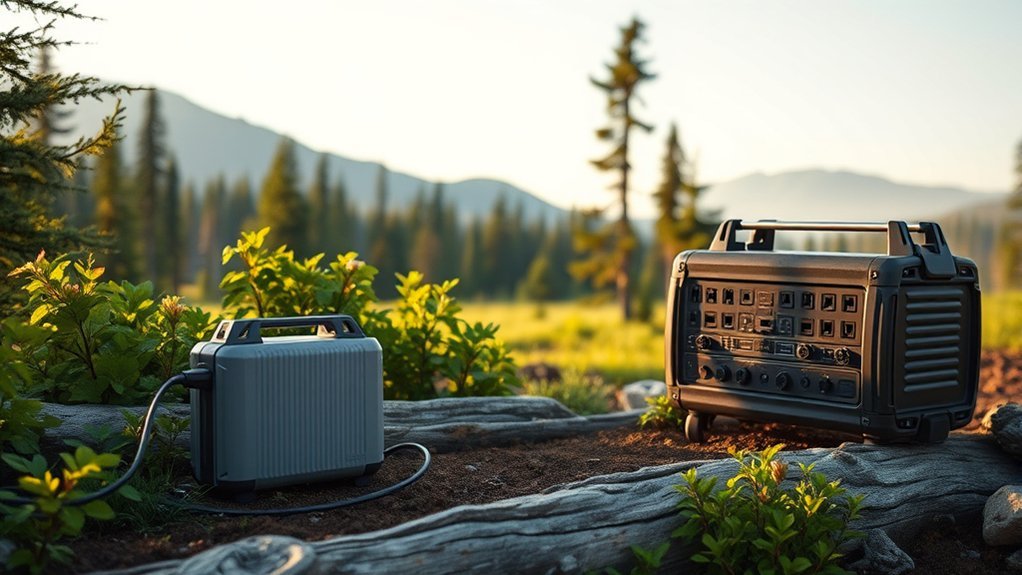
Portable power stations that are lightweight are particularly advantageous for remote campsites where mobility and ease of transport are paramount. Their design emphasizes compactness and reduced weight, facilitating quick setup and breakdown in rugged environments. These units often feature integrated solar compatibility, enabling users to harness renewable energy sources efficiently, which is essential when grid access is unavailable. Additionally, their battery longevity is optimized for frequent, short-term use, supporting various devices without rapid depletion. The emphasis on solar integration not only reduces reliance on traditional power sources but also enhances sustainability for extended stays. Overall, their technical attributes—lightweight construction, solar adaptability, and durable batteries—make them ideal for remote camping, where portability and reliable power are critical.
Why Heavy-Duty Power Stations Are Better for Extended Camping Trips
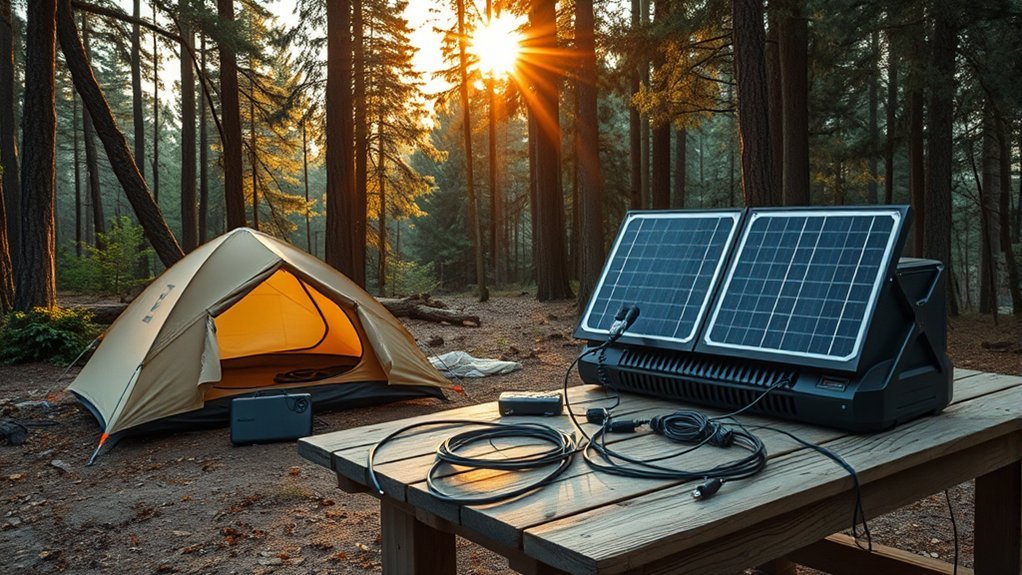
For extended camping trips, heavy-duty power stations offer unmatched durability and capacity, making them essential for sustained off-grid living. Their robust construction withstands harsh environments, while large battery capacities ensure prolonged use without frequent recharging. The choice of battery chemistry, such as lithium-ion or lithium iron phosphate, enhances longevity and safety, supporting continuous operation. Multiple charging methods—AC wall outlets, solar panels, or vehicle adapters—provide flexible recharging options, optimizing energy management during long stays. These stations typically feature advanced cooling systems to prevent overheating during extensive use. Their built-in inverter systems efficiently convert stored energy, supporting a wide range of high-demand devices. Overall, heavy-duty models are more reliable for extended trips where consistent power is critical.
- Durability related to battery chemistry and build quality
- Flexible charging methods for prolonged use
- High-capacity batteries support extended operation
Comparing Power Capacity and Run Time: Lightweight vs Heavy Models
When comparing lightweight and heavy power stations, their differing capacities directly influence run times and overall usability during camping trips. Heavier models typically feature larger battery technology, offering higher capacity that sustains longer usage of devices. This increased capacity translates to extended run times, which is essential for powering multiple devices or longer stays. Conversely, lightweight models often utilize more advanced or efficient battery technology, aiming to maximize capacity within a compact design. Charging efficiency also varies; heavy stations may benefit from faster or multiple charging options, reducing downtime. While capacity is a primary factor, the choice depends on balancing run time with portability needs. Ultimately, understanding how battery technology and charging efficiency impact power capacity helps us select the model best suited for our camping requirements.
Portability and Convenience: Which Station Fits Your Camping Style?
When selecting a portable power station, we consider weight and carrying ease to guarantee it complements our mobility needs. Size and storage compatibility are critical for seamless integration into our camping setup, while usage flexibility determines how conveniently we access and operate the device in various scenarios. Analyzing these factors helps us identify the station that best aligns with our specific camping style and logistical constraints.
Weight and Carrying Ease
Choosing a portable power station requires careful consideration of weight and ease of transport, as these factors directly impact convenience during camping trips. Lighter units enhance mobility, especially when hiking or setting up base camps, without sacrificing battery longevity or solar compatibility. Heavier stations often provide larger capacity but can hinder rapid setup and prolonged carrying. When evaluating weight, consider the balance between capacity and portability, ensuring the station supports your energy needs while remaining manageable. Solar compatibility adds value by enabling efficient recharging, but it can also influence weight distribution, especially with larger panels. Ultimately, selecting a station involves determining how weight affects your mobility and how it complements your power needs, ensuring a seamless camping experience.
- Enhanced mobility for hiking and remote setups
- Impact of weight on battery longevity and recharge options
- Balance between capacity and portability for ideal convenience
Size and Storage Compatibility
Selecting a portable power station involves evaluating its size and how well it fits within your available storage space, which directly influences ease of transport and setup. Compact units are advantageous for limited storage, while larger models may accommodate increased capacity or solar compatibility, supporting sustainable recharging. Size impacts not only portability but also the station’s battery longevity, as larger units often feature expanded batteries that extend runtime and durability. Conversely, smaller stations may sacrifice battery capacity, requiring more frequent recharges, especially when relying on solar panels. Understanding your camping environment and storage constraints is essential for choosing a station that balances size with energy needs, ensuring it integrates seamlessly into your setup without compromising performance or convenience.
Usage Flexibility and Accessibility
Ever wondered how the portability and accessibility of a power station influence its suitability for your camping style? Lightweight units excel in portability, offering easier transport and quick setup, ideal for minimalist or remote adventures. Heavy stations, while bulkier, often feature enhanced solar compatibility, allowing for flexible energy sourcing via solar panels, and typically boast superior battery longevity, supporting extended usage. Accessibility is also vital; units with multiple output ports and user-friendly interfaces ensure versatile device charging. When evaluating stations, consider how their design aligns with your mobility needs and energy demands. The balance between solar compatibility and battery longevity directly impacts usage flexibility, shaping how well a station adapts to varying camping scenarios. Ultimately, selecting a station tailored to your camping style enhances convenience and operational efficiency.
Key Features to Consider When Choosing a Portable Power Station
When evaluating portable power stations for camping, it’s essential to focus on specific features that guarantee reliable performance and convenience. A key aspect is the integration of a compatible solar panel, which allows for renewable, off-grid charging—crucial for extended trips. Additionally, battery lifespan plays a critical role; a longer lifespan guarantees sustained power over years, reducing replacement costs and maintenance. The type of battery—such as lithium-ion—impacts both durability and weight, affecting portability. Power capacity, measured in watt-hours, determines runtime for devices, but it must be balanced with rechargeability through solar input. Overall, prioritizing these features ensures a resilient, efficient power station tailored to camping needs, providing dependable energy while maintaining ease of transport.
Cost and Budgeting: Is a Lightweight or Heavy Station More Affordable?
When comparing lightweight and heavy portable power stations, initial purchase prices often differ markedly, influencing overall affordability. We also consider long-term costs, such as maintenance and potential repairs, which can vary based on build quality and capacity. Additionally, budgeting for necessary accessories, like cables or solar panels, impacts the total expenditure, making it essential to evaluate all cost components systematically.
Initial Purchase Price Differences
Does the initial purchase price of a portable power station substantially influence your overall camping budget? Yes, it plays a considerable role, especially when comparing lightweight and heavy models. Heavier stations often feature advanced battery technology with higher capacity and durability, driving up costs. Conversely, lightweight units tend to have simplified battery tech and reduced capacity, making them more affordable upfront. Solar compatibility also impacts initial pricing; high-quality solar-ready stations typically cost more, regardless of weight.
- Heavy stations often include robust battery tech for long-term reliability but at a premium.
- Lightweight options usually feature basic battery tech, lowering initial costs.
- Solar compatibility features can substantially increase initial purchase price for both types.
Understanding these factors helps you balance upfront costs with future needs.
Long-Term Maintenance Costs
While initial purchase price influences your immediate budget, long-term maintenance costs can considerably affect overall affordability. Heavy stations often feature larger batteries with greater longevity, reducing the frequency of replacements and associated costs over time. Conversely, lightweight models typically utilize smaller batteries, which may degrade faster, increasing replacement frequency and expenses. Solar compatibility also plays an essential role; stations with integrated or easily compatible solar panels lower operational costs by enabling renewable charging, hence reducing reliance on grid power and prolonging battery lifespan. Maintenance of batteries, including monitoring for capacity loss and ensuring proper charging cycles, is crucial to minimize long-term costs. Overall, evaluating battery longevity and solar compatibility helps determine which station offers a more cost-effective solution over its lifespan.
Budgeting for Accessories
Budgeting for accessories involves evaluating the cost implications of equipping portable power stations with additional components such as adapters, cables, carrying cases, and mounting hardware. When comparing lightweight and heavy stations, factors like solar charging capabilities and impact on battery lifespan influence overall expenses. Accessories like solar panels can enhance recharging efficiency but add upfront costs, especially for larger, heavy units. Carrying cases and mounting hardware also vary, with heavier stations often requiring more durable, costly accessories. Additionally, the need for replacement cables or adapters over time can affect long-term costs. Understanding these factors helps in budget planning, ensuring that the initial investment aligns with future maintenance and operational expenses while maintaining performance and longevity.
- Solar charging accessories impact upfront costs and efficiency
- Heavy stations may demand more durable, expensive mounting hardware
- Battery lifespan considerations influence long-term accessory investments
Making the Right Choice: Which Portable Power Station Suits Your Camping Needs?
Choosing the right portable power station for camping requires a careful assessment of your specific energy needs and usage patterns. We evaluate whether a lightweight or heavy model aligns with your power demands, considering device compatibility and overall capacity. Solar compatibility plays an essential role; if you plan to rely on solar panels, guarantee the station supports efficient recharging under varying sunlight conditions. Noise levels are also vital—quieter units are preferable for maintaining a peaceful campsite environment. We analyze the trade-offs between portability and power output, factoring in whether your needs are short-term, such as charging small gadgets, or extended, like running refrigeration or lighting systems. Ultimately, selecting a station involves balancing capacity, solar integration, noise considerations, and portability to best suit your camping scenario.
Frequently Asked Questions
How Do Battery Life and Charging Options Differ Between Lightweight and Heavy Power Stations?
We find that heavy power stations typically offer greater battery capacity and more diverse charging options, enhancing charging flexibility, whereas lightweight models prioritize portability but often have limited battery life and fewer charging methods, impacting long-term usability.
What Safety Features Should I Look for in Portable Power Stations for Camping?
Safety features in portable power stations are like a shield, protecting us. Look for solar compatibility, low noise levels, surge protection, and thermal cutoffs, ensuring reliable performance and minimal environmental impact during camping adventures.
Are There Environmental Impacts Associated With Using Different Types of Power Stations?
We recognize that environmental impact varies; lightweight stations often use lithium-ion batteries with lower emissions, while heavy stations might rely on fossil fuel generators, impacting sustainability. We recommend considering lifecycle assessments for better environmental and sustainability considerations.
How Do Maintenance Requirements Compare Between Lightweight and Heavy Models?
We find that maintenance for lightweight and heavy models differs mainly in battery degradation and weight considerations, with lightweight units requiring more frequent battery checks and heavier models demanding sturdier handling, balancing ease of use with durability and longevity.
Can Portable Power Stations Be Used for Outdoor Cooking or Heating Devices?
Yes, portable power stations can power outdoor cooking or heating devices, especially those with solar compatibility and high fuel efficiency. We analyze their capacity and output to guarantee safe, reliable operation for outdoor use under varying conditions.
Conclusion
Ultimately, choosing between a lightweight and heavy-duty power station hinges on our specific camping needs. If we prioritize mobility and quick setup, a lightweight option is perfect; for extended trips demanding sustained power, a heavy-duty model is indispensable. Analyzing capacity, durability, and convenience guarantees we make an informed decision. Remember, selecting the right station can transform our outdoor experience from merely adequate to absolutely extraordinary—like powering a small city in the wilderness.